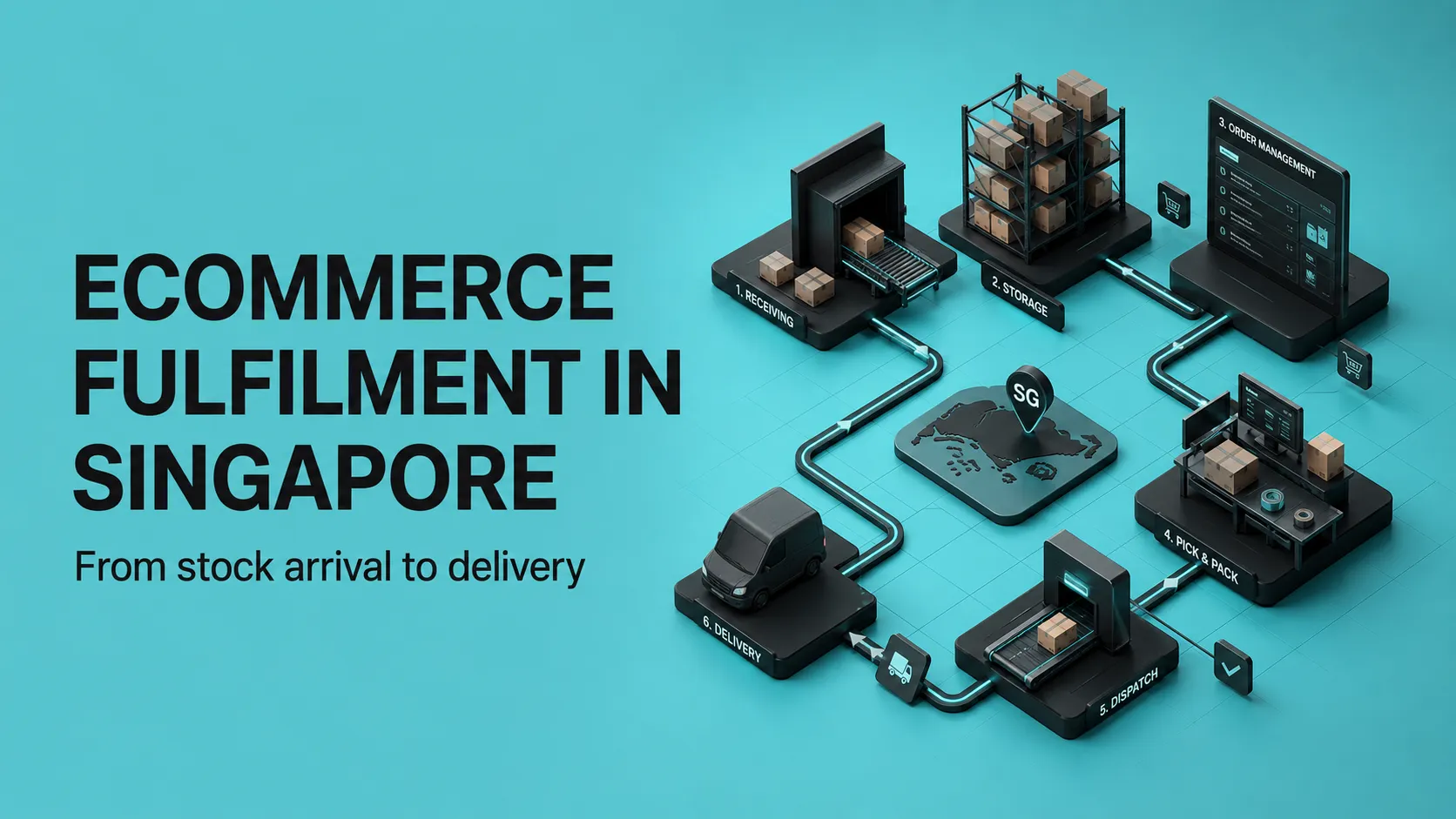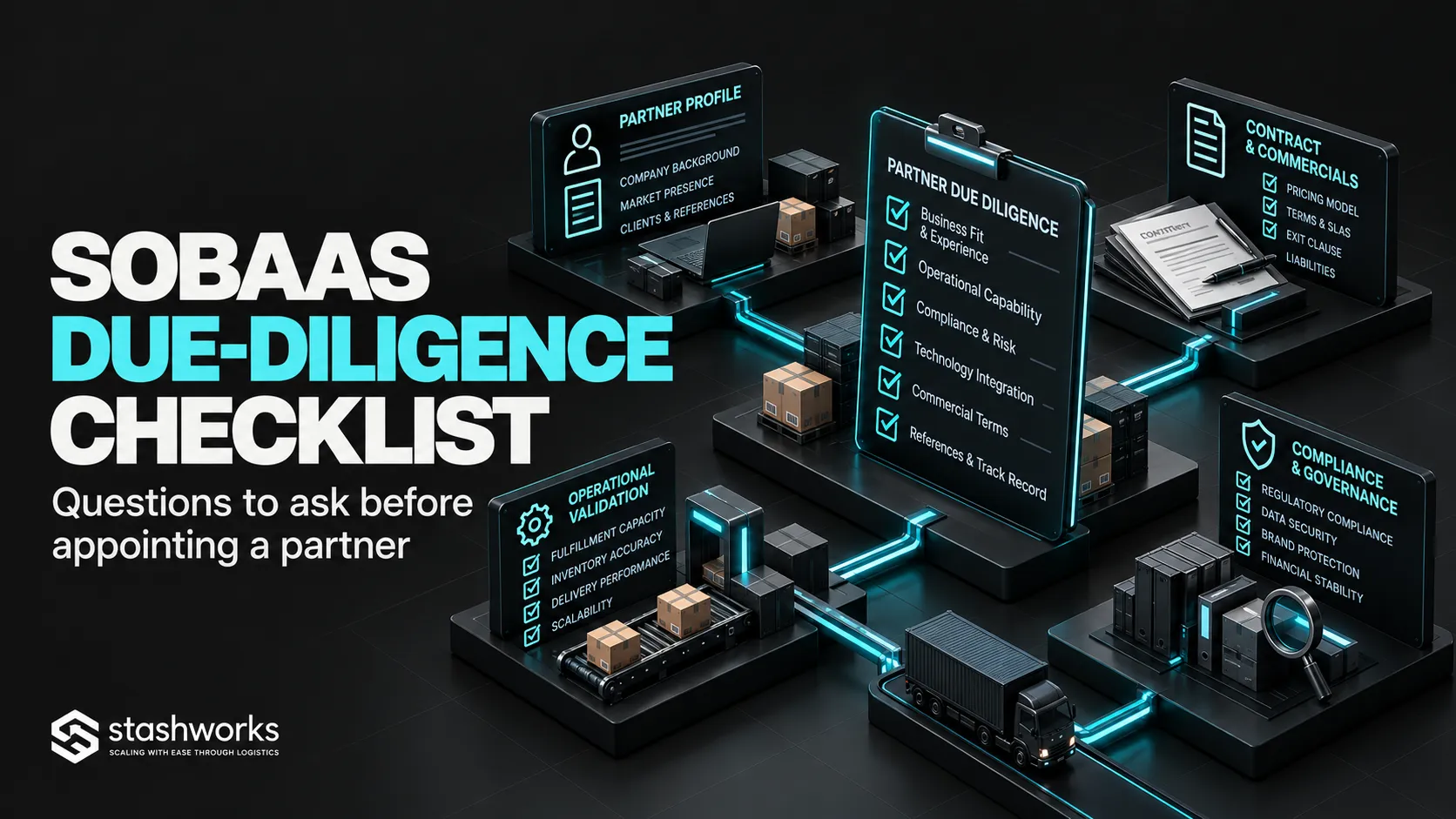
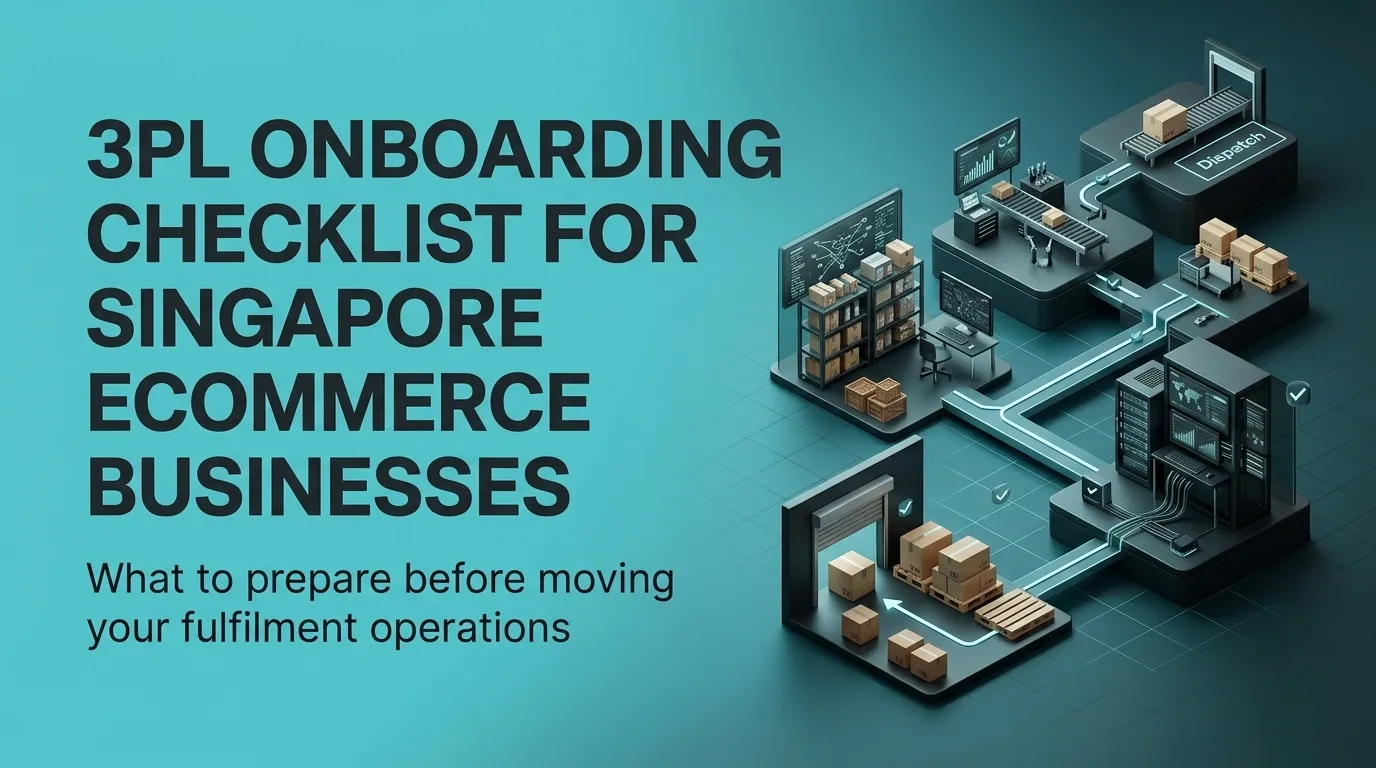
3PL onboarding is the point where a commercial promise becomes a working warehouse process. The provider must receive accurate product data, connect the required order channels, understand packaging and exception rules, and establish a trustworthy opening inventory—all before customer orders depend on the new operation.
Rushing this stage creates predictable problems: products that cannot be identified, stock balances that never reconcile, test orders that cover only the simplest scenario and support teams that do not know who owns an exception.
This checklist is organised around decisions and evidence rather than a generic countdown. The exact timeline depends on SKU count, integrations, inventory volume and operational complexity.
Phase 1: define scope and ownership
Begin by describing what the provider will do and what remains with the brand. Warehousing, order fulfilment, delivery coordination, returns, kitting and freight are separate activities even when one provider offers all of them.
Create a responsibility matrix covering receiving, inventory adjustments, packaging supplies, order changes, carrier claims, returns decisions and customer-service escalations. Each activity needs one accountable owner and a clear handover.
Prepare the operating profile
The profile gives the provider the volume and complexity needed to plan space, labour, system configuration and pricing.
- Active SKU count and launch pipeline
- Monthly orders, highest daily volume and campaign calendar
- Average order lines, units and common combinations
- Product dimensions, weights and special handling
- Storage volume and inbound shipment pattern
- Sales channels, countries served and return profile
Write the service rules
Translate customer promises into warehouse instructions. Define cut-offs, packaging, inserts, bundle assembly, quality checks, substitutions, cancellations and urgent-order procedures. Avoid phrases such as “pack carefully” when a measurable rule can be used.
Phase 2: clean product and channel data
The warehouse system cannot create reliable inventory from inconsistent master data. Resolve duplicates and missing information before building integrations.
Standardise the SKU catalogue
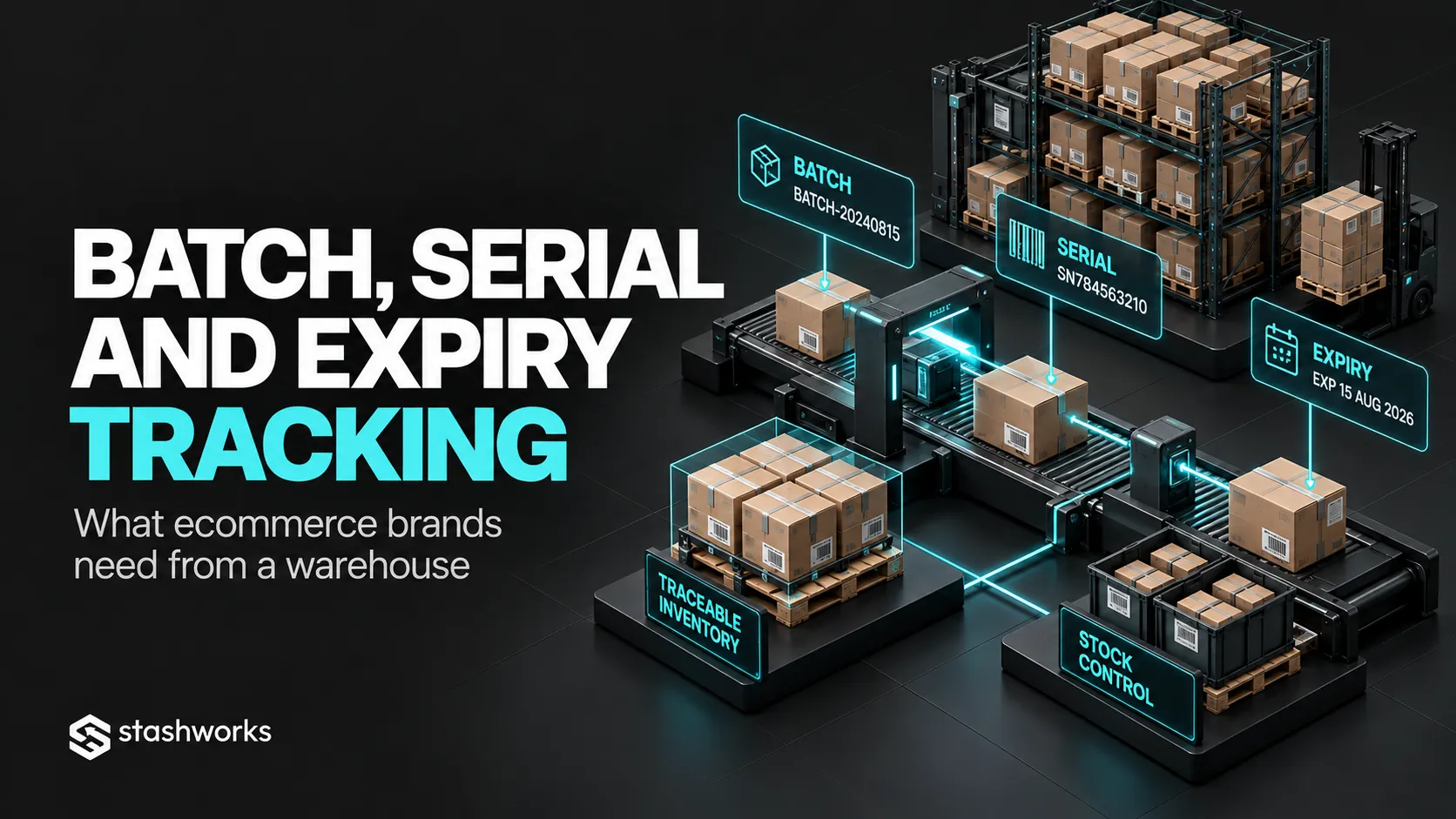
Every sellable item and variant needs a unique identifier. Confirm SKU, barcode, product name, dimensions, weight, unit of measure, bundle components, shelf-life information and handling notes where applicable.
Photographs can help warehouse teams distinguish visually similar variants, but they do not replace a scannable identifier and correct label.
Map sales-channel behaviour
Document how each channel represents SKUs, bundles, cancellations, pre-orders and tracking. Decide which system is the source of truth for available stock and how channel safety buffers will work.
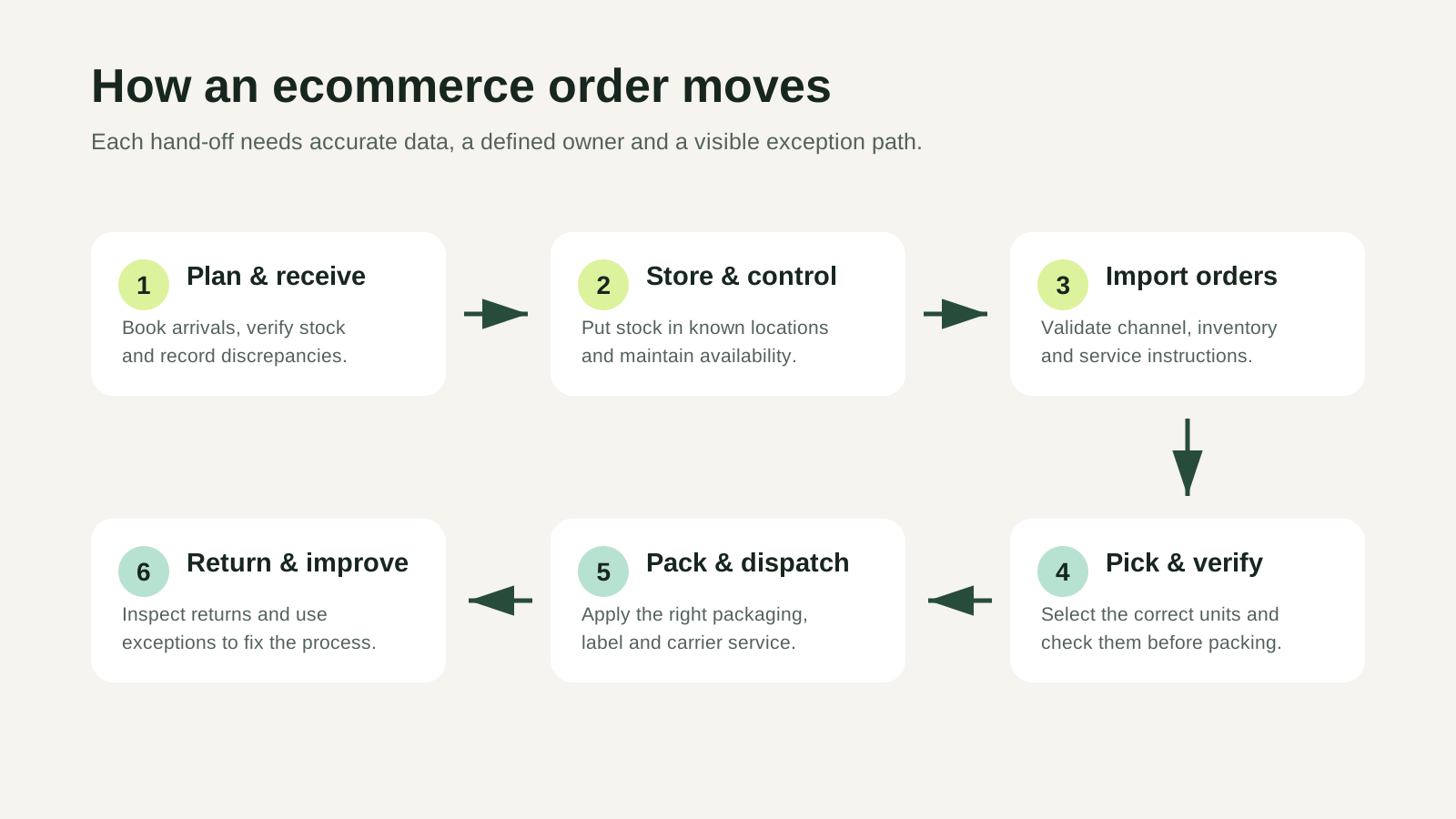
Stashworks states that its WMS integrates with ecommerce platforms and pulls marketplace orders every 30 minutes. Confirm the current behaviour for every platform in scope, including how failures and post-order changes are handled. See the published system workflow.
Phase 3: configure and test systems
System testing should prove an end-to-end business outcome, not only a successful connection. The warehouse, ecommerce channel and customer-facing status must agree.
Record screenshots, timestamps and results. A passed test becomes part of the launch evidence; a failed test needs an owner and retest date.
Phase 4: plan the first inbound delivery
The opening inventory is the foundation of every later stock figure. Agree how it will be prepared, moved, counted and reconciled.
Follow the inbound standard
Obtain the provider’s booking, carton, pallet, labelling and packing-list requirements. Identify mixed-SKU cartons clearly. State whether units need individual barcodes and whether any existing labels must be covered.
Define the receiving check
Agree whether receiving covers cartons, units, visible damage or detailed inspection. Decide how differences are evidenced, who approves adjustments and when accepted stock becomes available to orders.
Protect stock during a live migration
If the business is already trading, choose between a hard cutover, phased transfer or directing new replenishment to the new warehouse. Hold enough buffer to protect customers while the new process is proven.
Phase 5: approve packaging and warehouse work
Give the warehouse examples of an acceptable finished parcel. Confirm box or mailer selection, protective material, inserts, seal method, label position and branded presentation.
Run physical test orders covering normal and unusual cases. Inspect the output as a customer would, then check that inventory, tracking and channel status changed correctly.
Phase 6: prepare the people and escalation path
Onboarding fails when everyone knows the process but no one owns the exception. Establish routine and urgent communication separately.
Document:
- Day-to-day account and operations contacts
- Technical contacts for integration failures
- Carrier and claims escalation
- Approval authority for stock adjustments and urgent work
- Reporting cadence and launch review meetings
- Expected response and resolution paths
Give customer service a launch briefing. They should understand order status, tracking, return instructions and where to escalate before the first customer asks.
Phase 7: cut over with a controlled launch
A smaller first release makes problems easier to isolate. Where the channel and inventory model allow it, begin with selected SKUs, a controlled order group or a short low-risk period.
Before releasing normal demand, reconcile opening stock, confirm carrier collections, verify packaging supplies and check that all key users can access the required systems.
Phase 8: stabilise and close onboarding
The first weeks should be monitored more closely than normal operations. Review orders and exceptions daily, group problems by root cause and confirm corrective actions.
Track opening inventory differences, order import failures, picking or packing errors, missed cut-offs, tracking issues and returns. Onboarding is complete when the agreed controls work reliably—not simply when the first parcel leaves.
A practical launch gate
Do not approve full launch until product data, integrations, inventory and physical test orders all pass. If a critical dependency remains open, record the temporary control and deadline rather than relying on verbal reassurance.
Stashworks currently lists warehousing, fulfilment, order management, last-mile delivery, consolidation and kitting among its services. Use the service overview and contact the team to obtain the exact onboarding requirements for your products and channels.
During onboarding, formalise ownership with Who Owns What in Outsourced Fulfilment? and define measurable expectations with 3PL Service-Level Agreements.