A bundle can be a marketing idea long before it becomes an operational one. The ecommerce team groups products into a campaign offer; the warehouse then has to decide whether those items should remain separate until an order arrives or be assembled into a ready-to-ship kit in advance.
That distinction matters. Bundling is primarily a merchandising decision. Kitting is an inventory and fulfilment decision. A bundle can increase basket value without changing how stock is physically stored. Kitting changes the warehouse process by pre-assembling components into a new handling unit.
Bundling groups products for sale
A product bundle presents two or more items as one offer. The products may keep their original SKUs and be picked individually each time the bundle is ordered.
This approach keeps inventory flexible: the same unit can be sold alone or as part of several bundles. The trade-off is additional picking and verification when the order is fulfilled.
Kitting creates an operational unit before the customer order
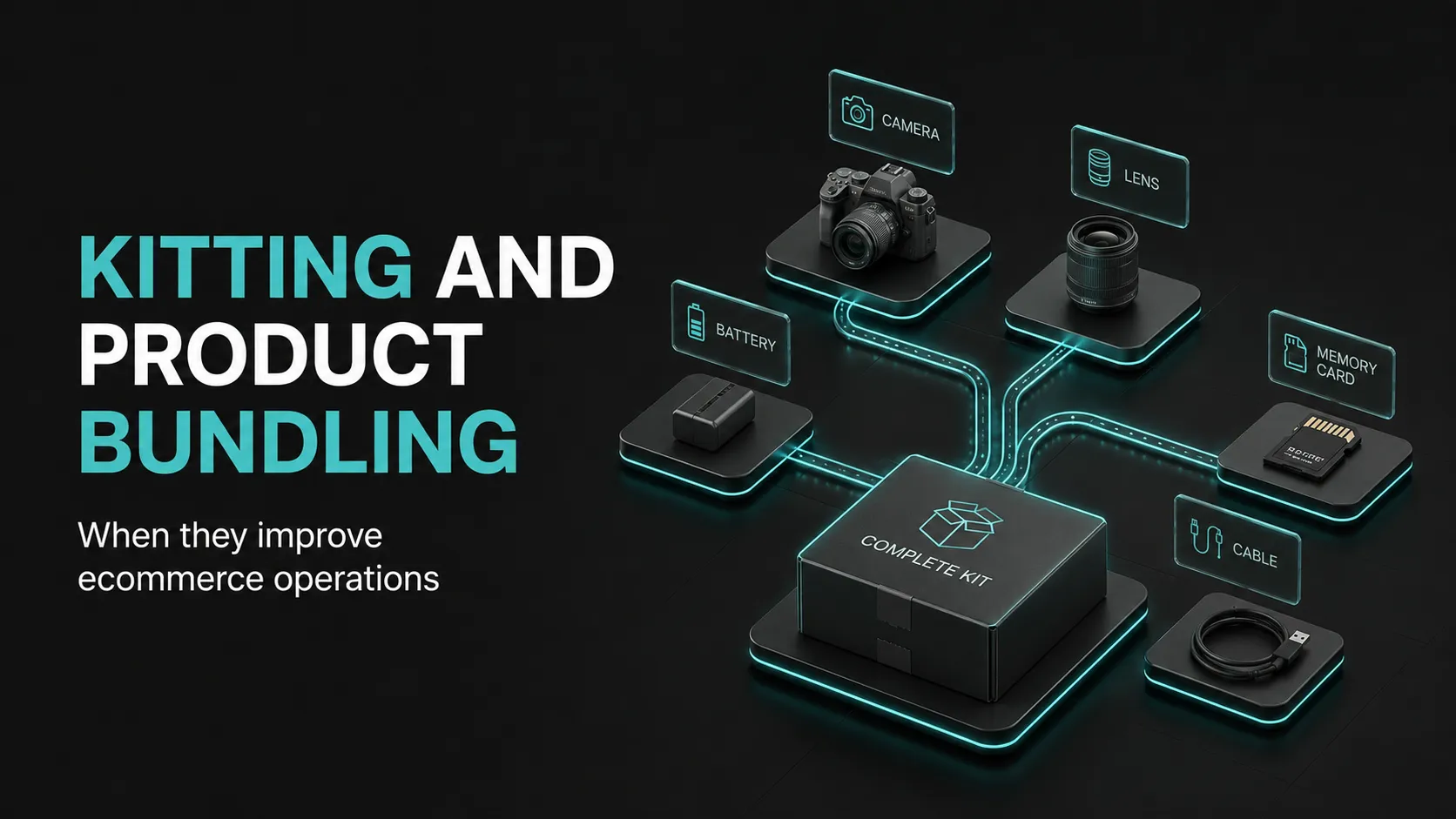
In a kitting workflow, components are gathered and assembled in advance. The completed kit may receive its own SKU or another defined identity so the warehouse can store and pick it as one unit.
Shopify describes this distinction in similar terms: kitting preassembles products into a ready-to-ship unit, while bundling is the commercial grouping of products for sale.
Kitting is strongest when the combination is predictable
Pre-kitting can reduce order-time handling when the same combination sells repeatedly. Examples include subscription packs, launch boxes, gift sets, event kits and standard promotional bundles.
The benefit is operational: assembly work can be scheduled before the order peak, quality can be checked in batches, and the picker retrieves one kit instead of several separate components.
Pre-kitting moves labour; it does not remove it
A kit still has to be assembled. The operational advantage comes from moving that work to a controlled time and process rather than performing it inside every live customer order.
That can be valuable before a campaign: the warehouse can assemble and inspect kits before the order spike, then process each sale with fewer picking steps. But if demand does not materialise, the business may need to break kits apart and return components to individual stock.
Inventory logic is where kitting becomes difficult
Suppose a kit contains Product A, Product B and Product C, but each component is also sold separately. The business needs a clear rule for when component stock becomes kit stock and whether it can be disassembled again.
The ecommerce platform, order-management system and WMS need to agree. Otherwise the storefront may continue selling components that have already been committed physically to kits, or show kits as unavailable even though enough components exist to assemble them.
Use a bill of materials or equivalent component rule
The system should know exactly what constitutes one complete kit: component SKUs, quantities, packaging materials and any inserts or labels required. The physical assembly process should follow the same rule.
Changes need version control. If marketing replaces one component midway through a campaign, old and new kits should not be indistinguishable in the warehouse.
Quality control is part of the kitting design
Batch assembly creates an opportunity to verify the kit before it enters normal storage. Check component count, variant, condition, presentation, labels and the identity of the completed kit.
For complex presentation, a reference sample or approved finished pack can be more useful than a paragraph saying “arrange neatly”. The goal is repeatable output.
Relabelling and repacking can be part of the same value-added workflow
Some kits need a new barcode, outer label, promotional sleeve or repacked presentation. Those activities should be scoped explicitly because they add materials, labour and sometimes storage for packaging components.
Stashworks lists value-added fulfilment capabilities within its broader ecommerce fulfilment service. The exact assembly, relabelling and inventory treatment should be confirmed against the proposed kit.
When kitting can make operations worse
Kitting is a poor fit when combinations change constantly, demand is difficult to predict, components have very different expiry constraints, or the business needs maximum flexibility to allocate limited stock between individual products and several bundles.
In those situations, pick-to-order bundling may be slower per order but safer for inventory.
Model the decision using total handling
Compare the labour and inventory consequences of both approaches. How many component picks are avoided? How much pre-assembly work is added? How much finished-kit storage is needed? What happens to unsold kits after the campaign?
Do not judge kitting only by a per-kit assembly rate. The business value comes from the effect on peak capacity, order accuracy, presentation consistency and inventory flexibility.
Build the kit around a stable commercial rule
If marketing cannot yet define what the customer is buying, operations cannot create a robust kit. Finalise the bundle logic, component identities, substitution policy, packaging and campaign dates before assembly begins.
When those rules are stable, kitting can turn repeated order-time work into a controlled pre-production process. When they are not, it can simply create another inventory layer to manage.
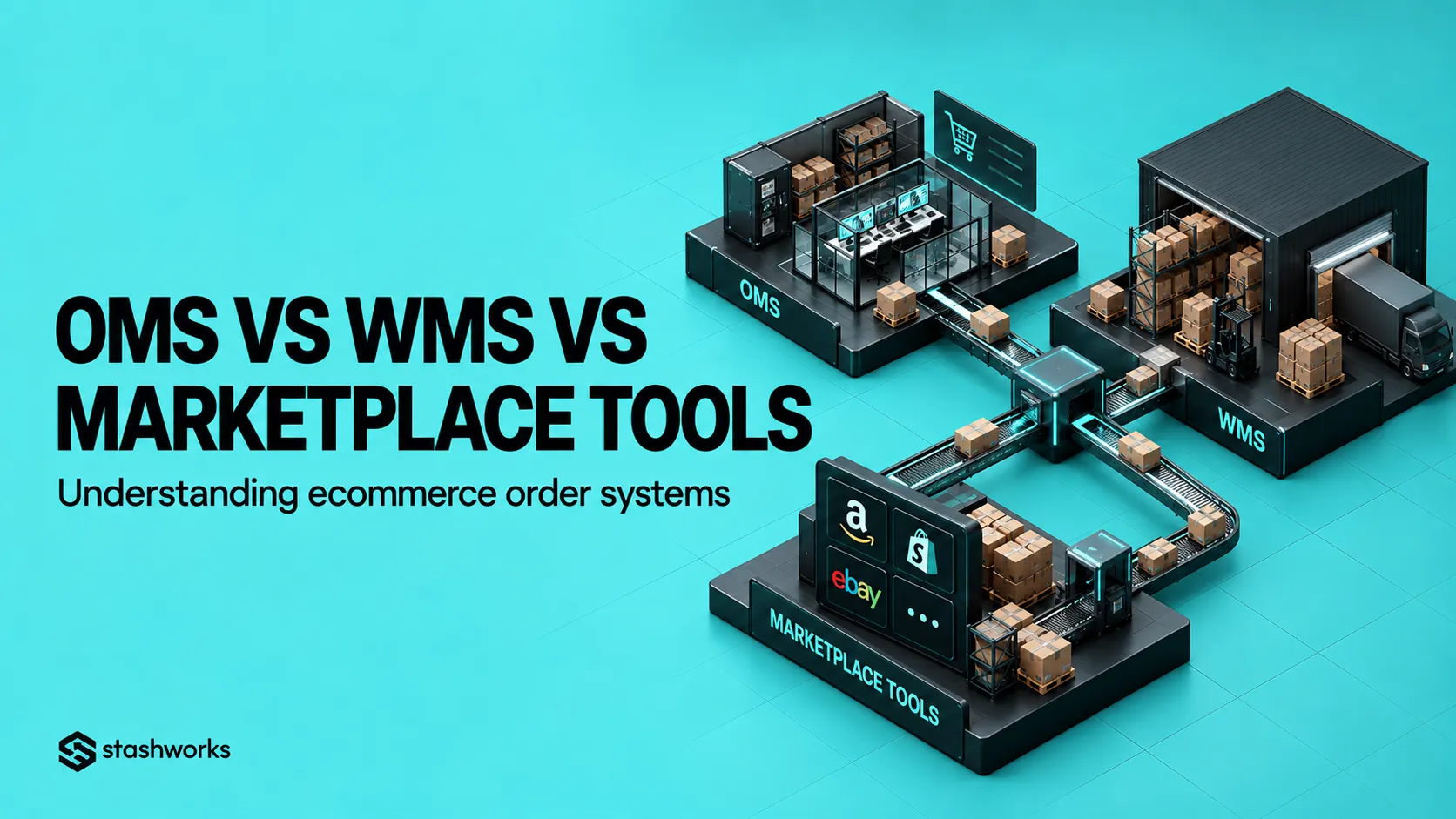
Bundles also need clean systems behaviour. Use the Platform-to-Warehouse Integration Checklist to test component mapping and order events, and OMS vs WMS vs Marketplace Tools to decide which system should own the bundle, routing and warehouse execution decisions.
For recurring kit programmes rather than one-off bundles, see Subscription-Box Fulfilment for component planning, recurring cut-offs and dispatch waves.
Source: Shopify, Kitting Meaning and Process.