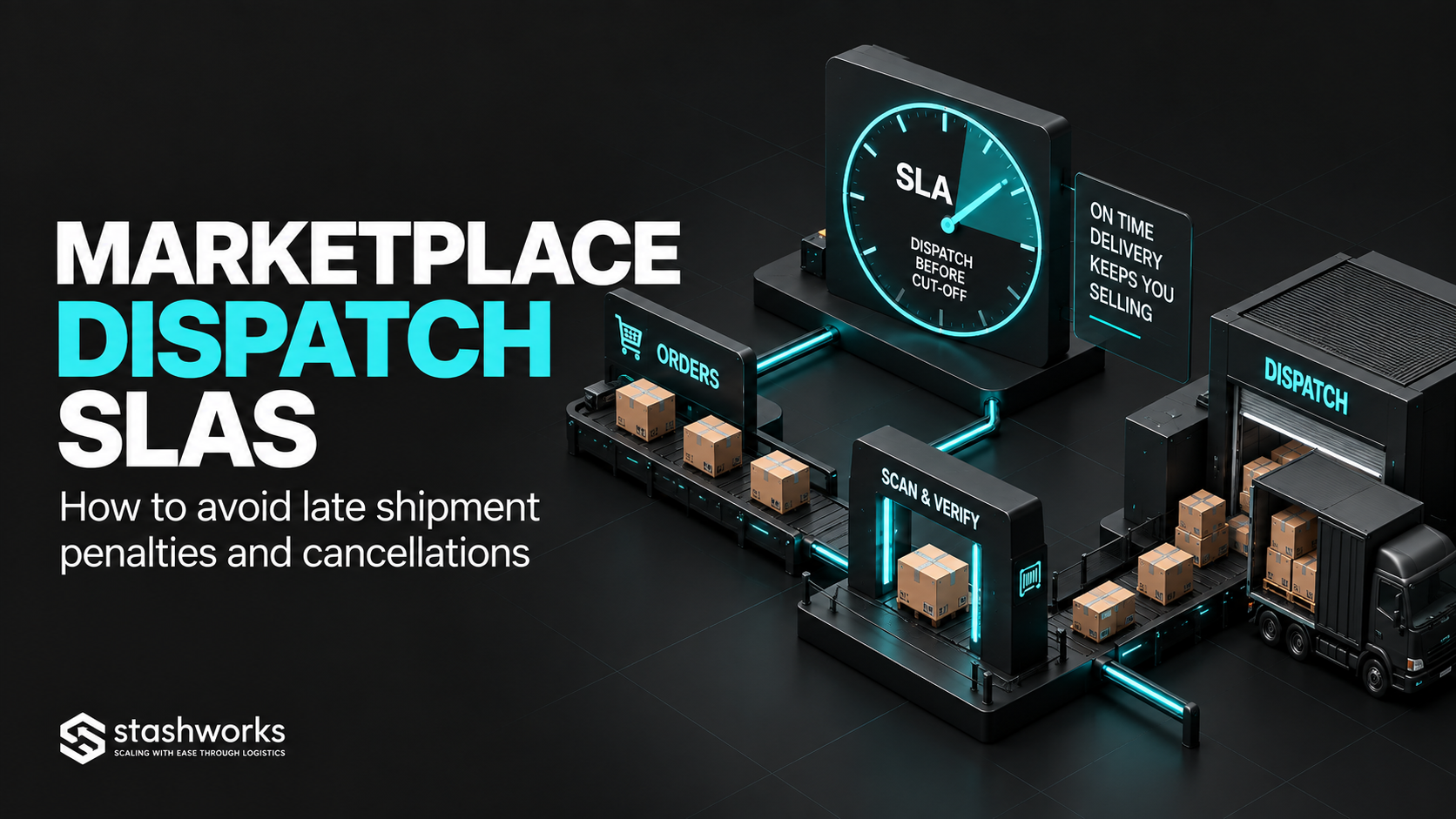
A marketplace dispatch deadline is a customer promise translated into an operating clock. The difficult part is that the platform clock does not begin and end at the warehouse packing bench.
An order may need payment confirmation, inventory reservation, picking, verification, packing, label creation, staging, carrier handover and a successful scan before the platform recognises the required milestone. If the internal process aims only to finish “by the deadline”, there is no room for anything to go wrong.
The safer approach is to convert each marketplace requirement into an earlier internal fulfilment target with visible exceptions and evidence of handover.
Do not treat every marketplace SLA as the same rule
Shopee, Lazada and TikTok Shop each define their own seller and logistics workflows. Requirements can also differ by programme, order type, shipping method or policy version.
A single spreadsheet cell saying “ship within two days” is therefore fragile. Keep a current source for each channel and train the operation to use the deadline visible on the actual order where the platform provides one.
Separate the clocks inside one customer order
A useful dispatch model distinguishes several timestamps: order created, payment or release confirmed, warehouse release, pick complete, pack complete, label generated, handed to the logistics provider, first accepted scan and delivered.
The marketplace may measure one or more of those points. The warehouse should measure enough of them to explain where time was spent.
Without that timeline, a late order becomes an argument between systems. With it, the team can see whether the delay began in inventory, warehouse work or carrier handover.
Create an internal cut-off earlier than the platform deadline
The platform deadline is the last acceptable boundary, not the warehouse target. Set an internal completion time that leaves operational margin for exceptions and logistics handover.
For example, if a parcel must meet a platform shipping milestone later in the day, the warehouse may need packing completed well before the final carrier collection. The exact margin depends on the site, channel and logistics method; it should be based on observed process time rather than guesswork.
Prioritise by deadline and risk, not only order age
First-in, first-out prevents newer work from constantly jumping the queue, but a multichannel warehouse also needs to see the orders closest to their external deadlines.
Create a priority view that combines time remaining with exception status. An older order waiting on a customer issue may need a different action from a newer order that can still be dispatched if it reaches packing in the next hour.
Inventory accuracy is part of dispatch performance
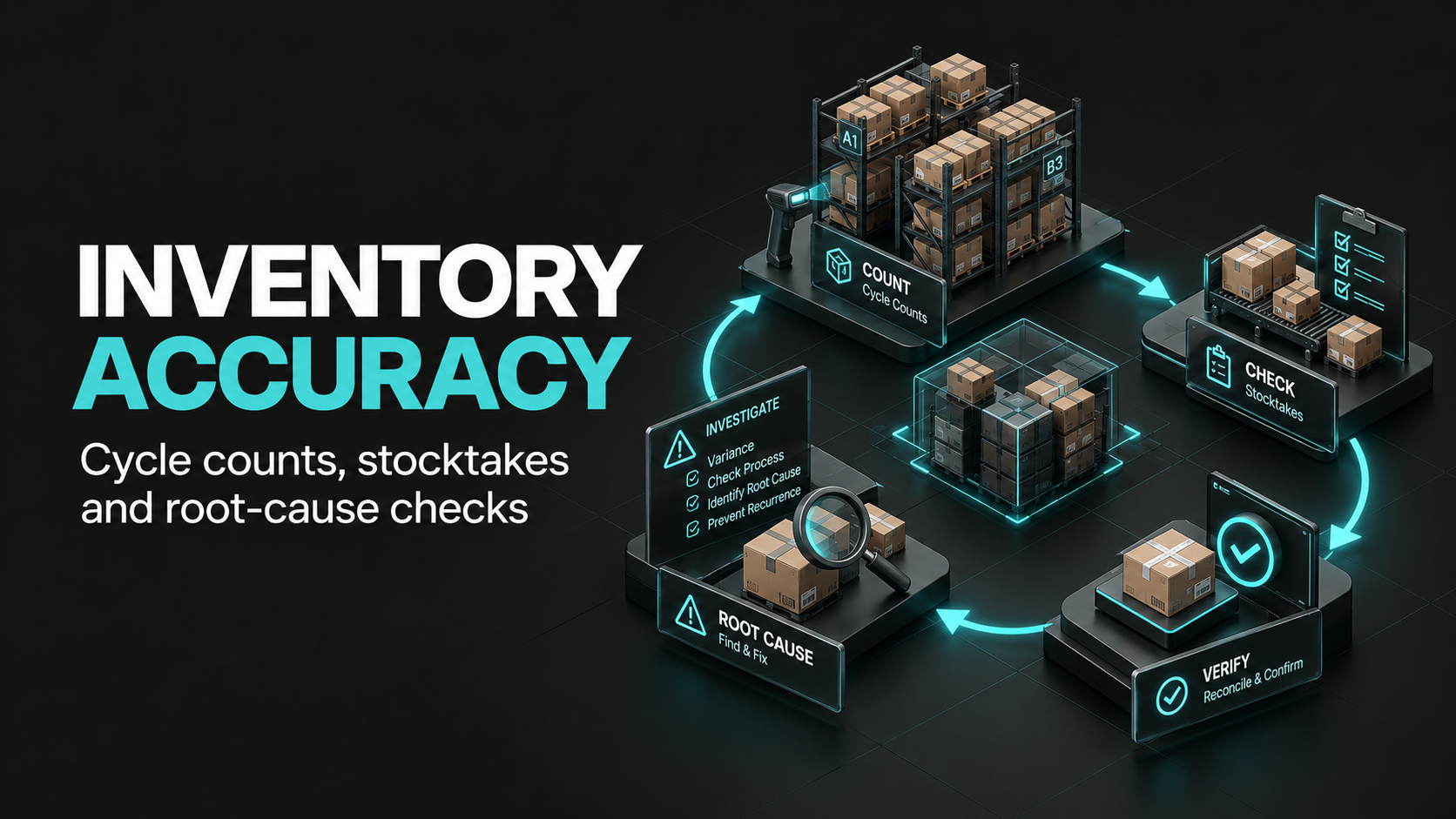
An order cannot be picked on time if the system promises stock that the warehouse cannot find. Many apparent dispatch problems begin earlier with duplicate SKUs, unprocessed receiving, damaged stock left as saleable or a failed channel inventory update.
This is why preventing overselling and maintaining accurate inventory are directly connected to marketplace SLA performance.
Make release rules explicit
Define which order statuses are allowed into warehouse work. Payment review, address issues, fraud checks, customer changes and cancellations should not rely on informal judgement at the packing station.
When an order is released, capture that timestamp. If it reaches the warehouse late because of an upstream hold, the team should be able to distinguish that from slow picking or packing.
Carrier handover needs its own control
Packing a parcel is not the same as completing the shipping milestone. The order may still require collection, drop-off, manifesting or a scan by the logistics provider.
TikTok Shop's current Singapore policy guidance specifically emphasises fulfilment timelines and notes that late dispatch can affect fulfilment metrics. Shopee also documents automatic cancellation where applicable shipping deadlines are missed.
Confirm the logistics process for each marketplace and keep the relevant handover evidence, especially during peak periods when collection volumes are larger than normal.
Use exception queues before the deadline expires
Useful exception categories include no stock found, SKU mismatch, invalid address, label error, order change after release, cancellation request, carrier collection missed and integration failure.
Each exception should have an owner and escalation path. The purpose is to turn “stuck” from an invisible order status into a work queue that someone is responsible for clearing.
Do not retry integrations silently forever
If an order fails to enter the WMS or a shipment confirmation fails to reach the marketplace, retries are useful. Endless invisible retries are not.
Define when an integration failure becomes a human exception. Record the affected order IDs and the last successful event so the team can recover without duplicating the order or shipping twice.
Separate late dispatch from seller-fault cancellation
Platforms can track different fulfilment outcomes. An order can be dispatched late without being cancelled, while another can remain unshipped long enough to trigger cancellation or another seller-fault measure.
TikTok Shop's Singapore Fulfilment Performance page consolidates fulfilment metrics and states that fulfilment performance affects Account Health Rating and Store Rating. That makes it useful to review both the final metric and the operational events behind it.
Peak campaigns need a temporary operating plan
During 9.9, 11.11, 12.12 or a major social-commerce event, the number of orders approaching their deadlines can increase sharply at the same time.
Forecast the order mix, stage campaign SKUs, increase appropriate labour and packing capacity, confirm carrier collections and decide how exceptions will be prioritised before the event begins. The full preparation sequence is in the peak-season fulfilment checklist.
Audit platform rules before every major campaign
Marketplace policies are operating inputs, not permanent facts. Assign someone to review current Seller Center or policy guidance before major events and whenever a platform announces a fulfilment change.
Update the warehouse rule only after confirming what changed. Avoid embedding policy numbers in packaging labels, static posters or code unless there is a clear process to keep them current.
A 3PL SLA should sit inside the marketplace deadline
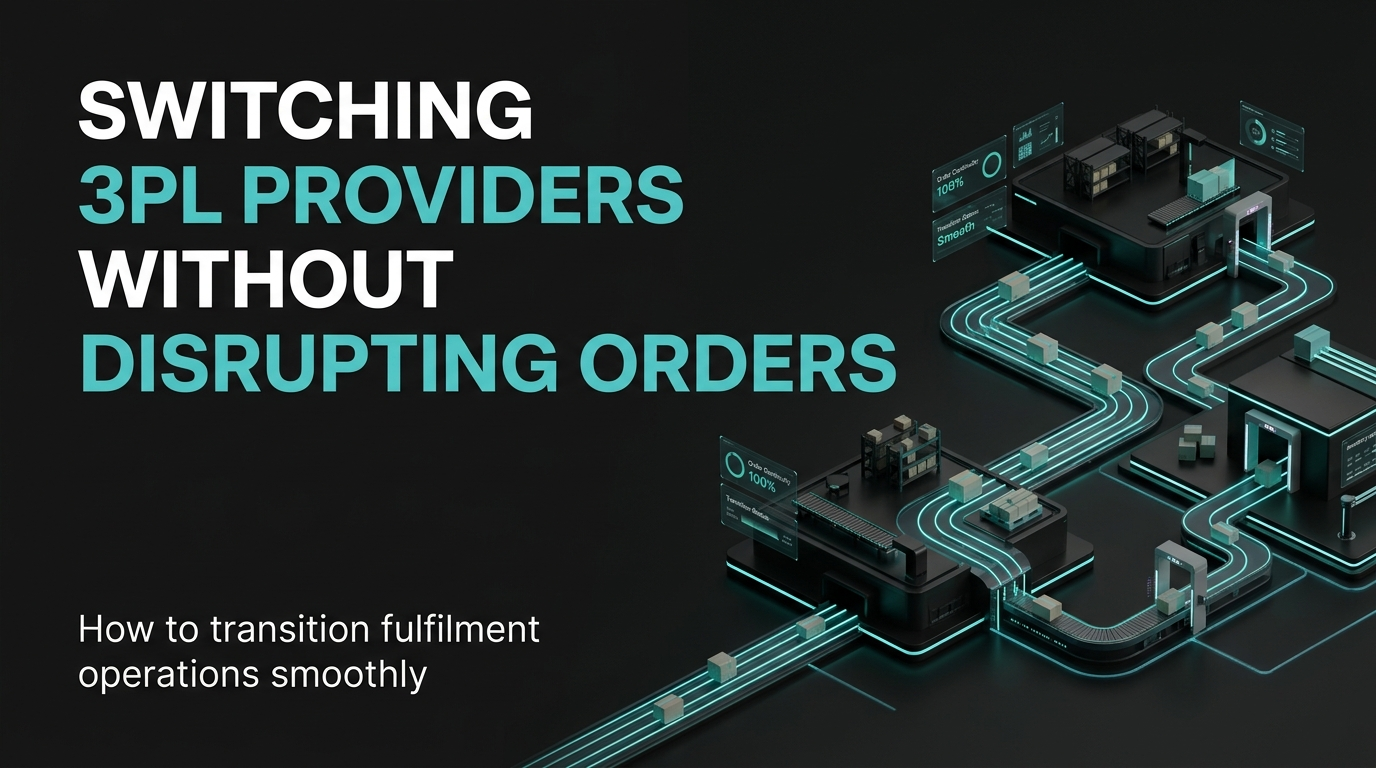
When fulfilment is outsourced, define the provider's internal processing target and escalation process so that it leaves enough time for the external marketplace requirement. The two are related but should not be treated as identical.
Stashworks supports ecommerce fulfilment and currently lists Shopee, Lazada and TikTok among its supported integrations. When scoping a marketplace workflow, provide the current channel requirements, collection method, average and peak volume, cut-off expectations and exception cases. Do not assume one standard dispatch promise applies to every account.
Sources: Shopee Singapore, Automatic Order Cancellation; TikTok Shop Singapore, Order Fulfilment Timelines; TikTok Shop Singapore, Fulfilment Performance Page; Stashworks, Ecommerce Fulfilment.